Treat It Properly

Damp Proofing

Treat damp at the source — damp-proof membranes, tanking and salt-resistant re-plastering, so the problem is fixed, not just hidden.

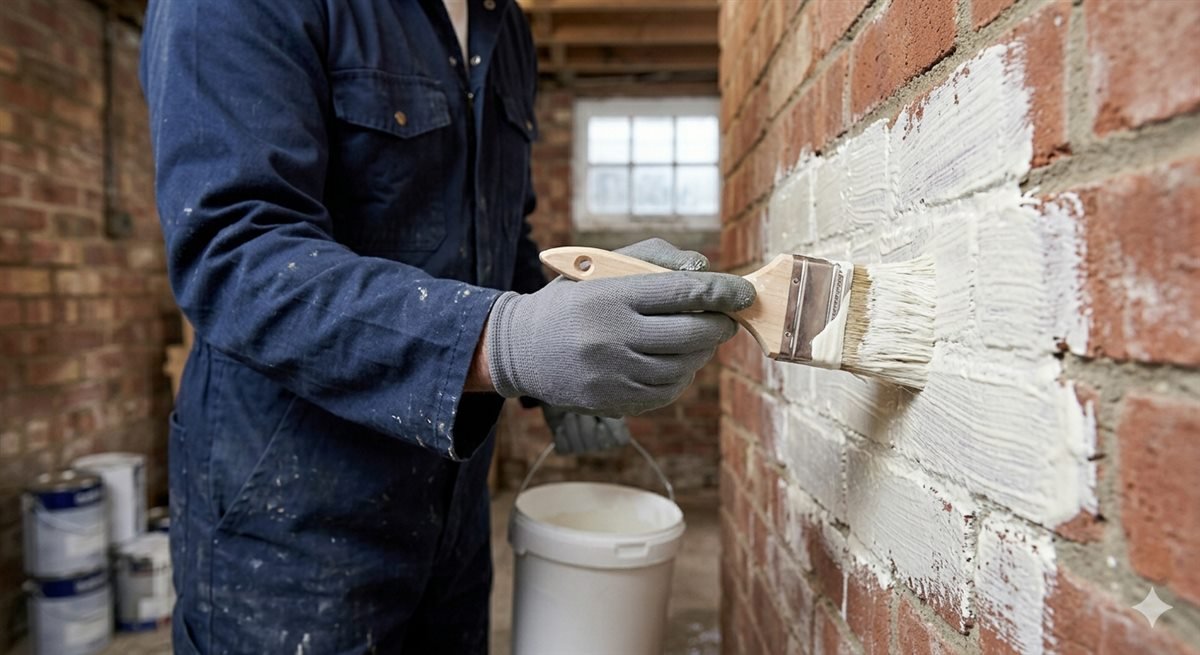
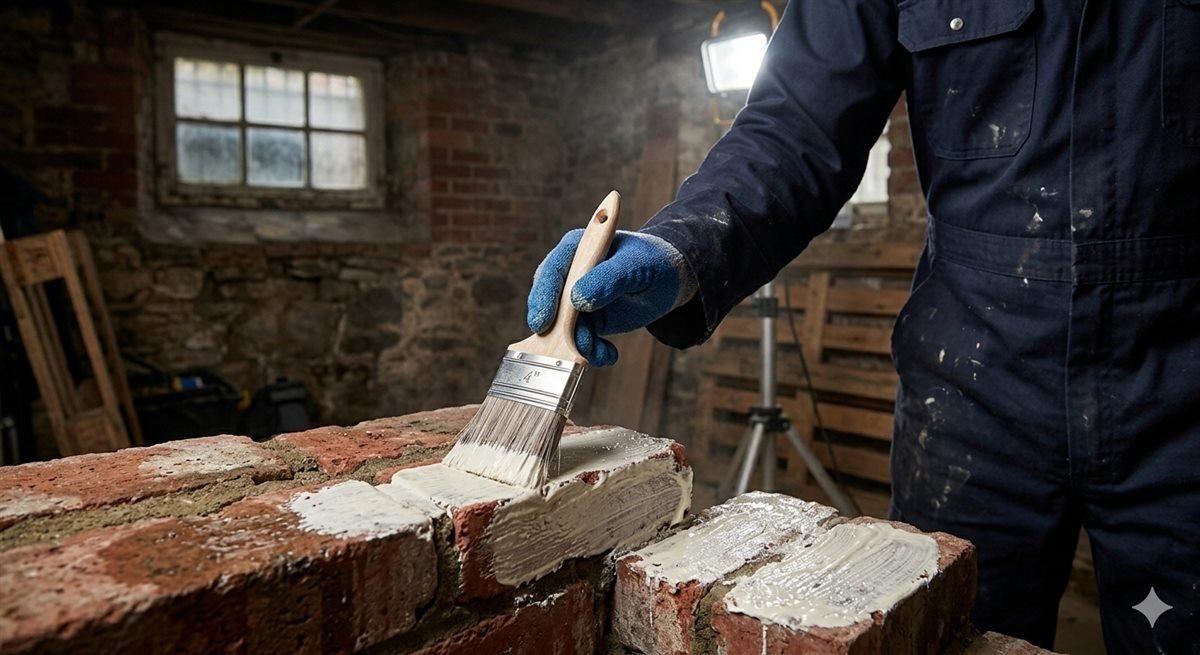
Damp wall being tanked and treated
What's Included

Fix the Cause, Not Just the Symptom

Plastering over damp without treating it just hides it for a few months. We diagnose the cause and treat it properly before re-plastering for a lasting, dry finish.

  • Damp-proof membrane systems
  • Tanking to basements & cellars
  • Salt-resistant / renovating plaster
  • Treating penetrating & rising damp
  • Re-plastering damaged walls
  • Honest advice on the cause
Get a Free Quote
Fully Insured 15+ Years Experience Free Quotes in 24h 5.0 Rated Clean & Tidy Work
Why It Matters

Why Damp Needs the Right Treatment

Damp shows as blown plaster, salts, staining and that musty smell. Painting or skimming over it without treating the cause means it comes straight back.

We identify whether it's penetrating, rising or condensation-related, treat it with the right system, and re-plaster with salt-resistant materials so it stays dry.

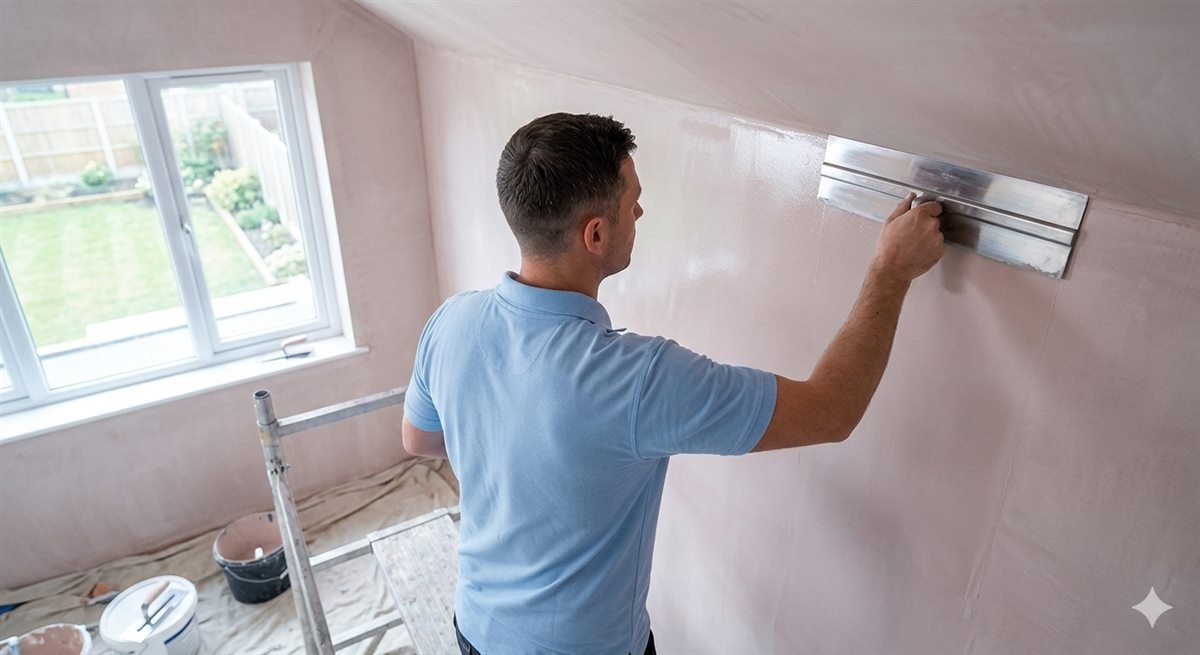
Smooth plastered wall finish
More Services

Other Things We Do

Freshly skimmed smooth plaster wall in Kent

Plastering & Skimming

Smooth re-skims & fresh plaster, ready to decorate.

Learn more
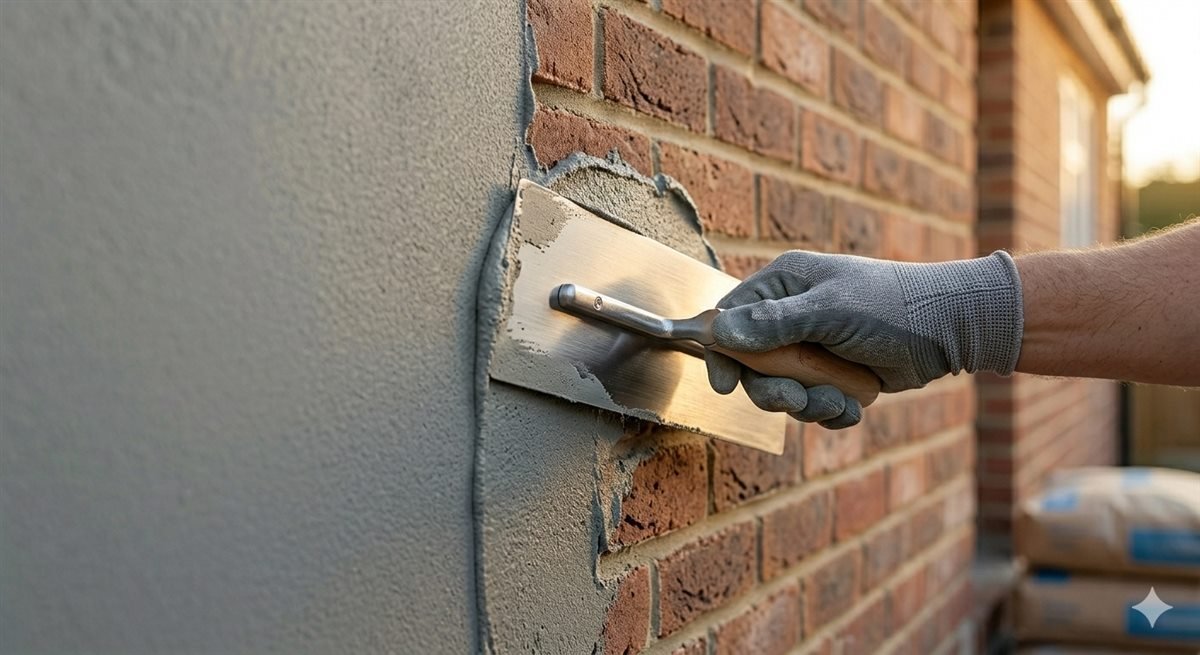
Weatherproof render applied to an external wall

Rendering

Weatherproof external render — sand & cement or silicone.

Learn more
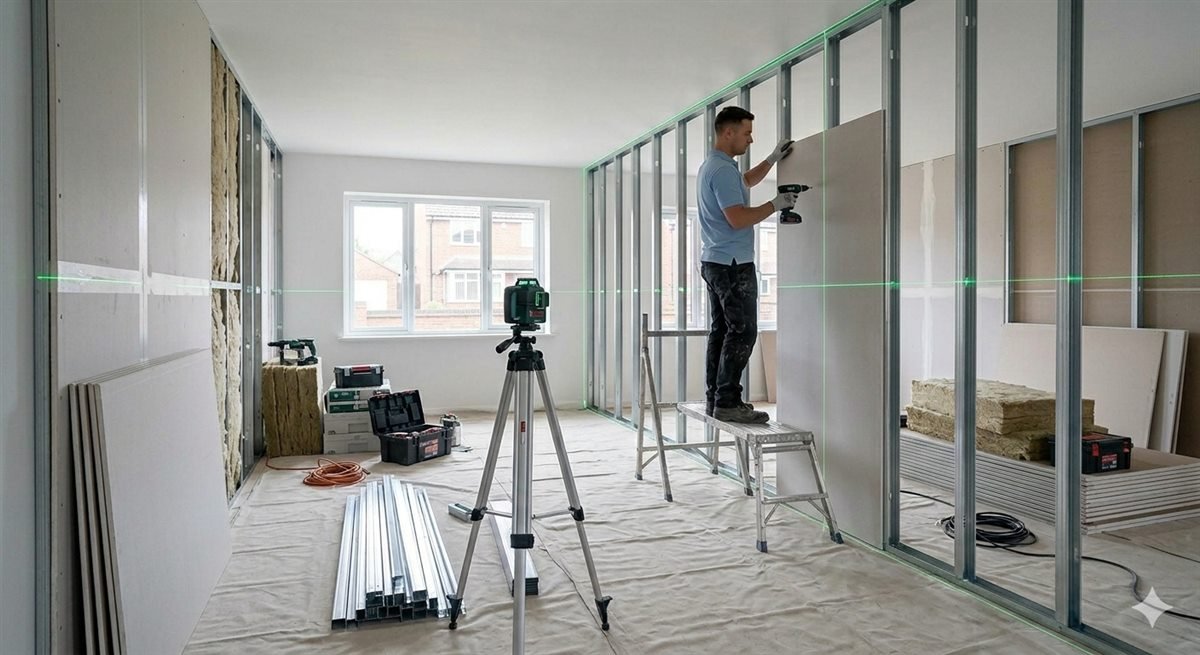
Plasterboard fixed to a new stud partition

Dry Lining & Studwork

Plasterboarding, stud partitions & insulated board.

Learn more
Good to Know

Damp Proofing FAQs

Why does the plaster keep blowing on my wall?
Blown, bubbling or salty plaster is usually a sign of damp behind it — rising or penetrating. Re-skimming over it won't last; the damp has to be treated first, then we replaster with a salt-resistant renovating plaster.
Can you tank a cellar or basement?
Yes — we tank cellars and basements with a cementitious tanking slurry or a cavity-drain membrane system to hold back water and create a dry, usable space.
Do you treat rising damp?
Yes — we install a chemical damp-proof course (injected cream) where the original DPC has failed, then replaster the affected zone with the correct system so the wall dries out and stays dry.
Is it damp, or just condensation?
They're often confused. Condensation shows as black mould in corners and on cold spots and is about ventilation and heating; true damp leaves tide-marks and salts. We diagnose which it is first — no unnecessary work.
How long until I can decorate a treated wall?
Renovating plaster needs to dry — roughly a week per coat depending on thickness and conditions. We'll tell you when it's ready for a mist coat and paint.